

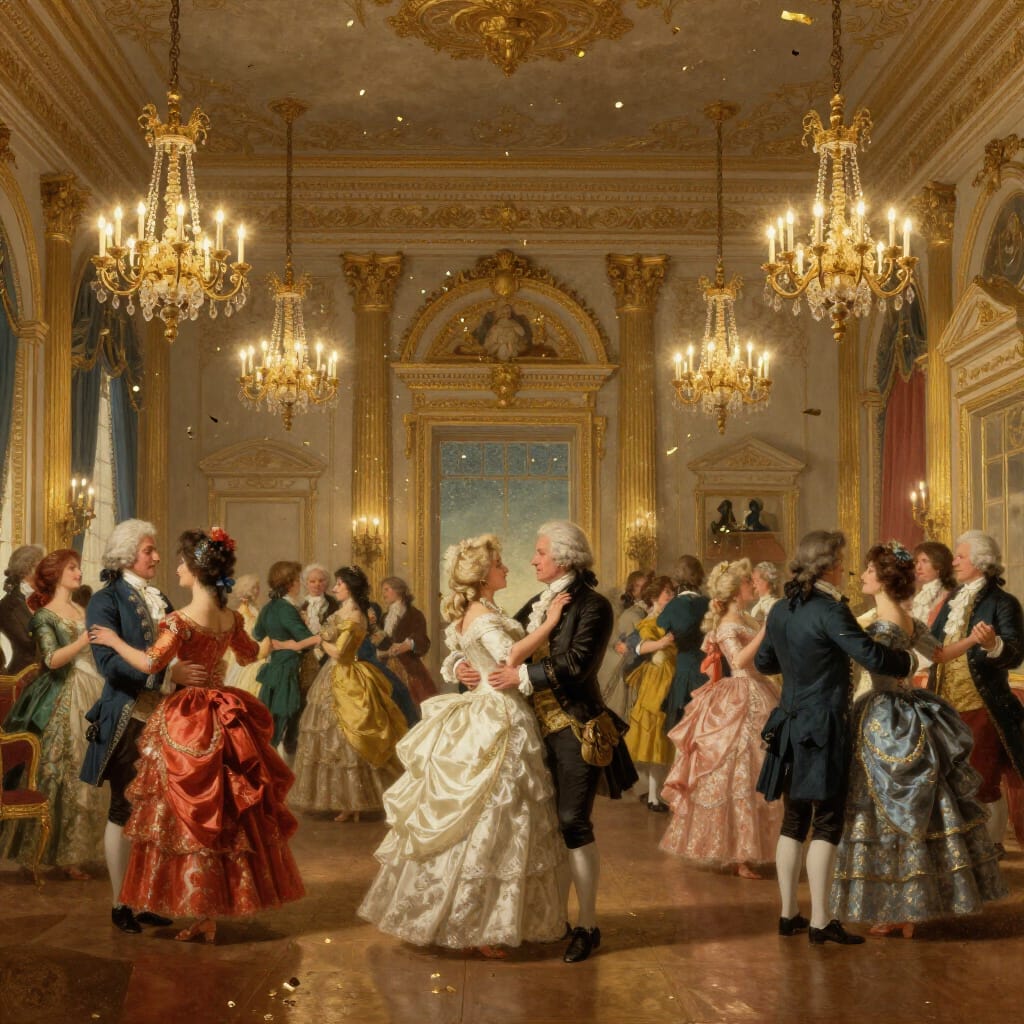



The Year That Shrank: When January 1st Was Late to Its Own Party
If you’re feeling a bit sluggish this New Year’s Day, take comfort in the fact that you at least know what day it is. In 1752, the citizens of Great Britain and its colonies woke up and realized they were living through the ultimate historical ”glitch in the matrix.”
The Great Date Debate
For centuries, while most of Europe was using the Gregorian Calendar, Britain stubbornly stuck to the Julian Calendar. This meant that by the mid-1700s, Britain was 11 days out of sync with its neighbors. Even more confusing? The British New Year didn’t actually start on January 1st—it started on Lady Day (March 25th).
Imagine trying to book a hotel in Paris in 1750. You’d leave London on March 24th, 1750, and arrive in France on April 4th, 1751. You would have effectively traveled into the future just by crossing the English Channel.
The 1751 ”Short” Year
To fix this, Parliament passed the Calendar Act. To get everyone on the same page, they had to pull off a logistical nightmare:
- 1751 was made a ”short year”: It started on March 25th and ended on December 31st.
- January 1st was officially declared the start of 1752.
- The 11-Day Erasure: To catch up with the sun, the calendar skipped from September 2nd, 1752, straight to September 14th.
”Give Us Our Eleven Days!”
Legend has it that people were not amused. Rioters supposedly took to the streets, shouting, ”Give us our eleven days!” They were convinced the government had literally shortened their lives or cheated them out of eleven days of wages.
While historians now think the ”riots” might have been exaggerated by satirists of the time, the confusion was very real. Bank payments were delayed, birthdays were ruined, and for a few months, nobody in London quite knew when they were supposed to eat lunch.
Fun Fact: Because of this shift, the UK tax year still starts on April 6th. It was originally March 25th, but the Treasury added those ”lost” 11 days to ensure they didn’t lose out on a single penny of tax revenue. Some things never change.